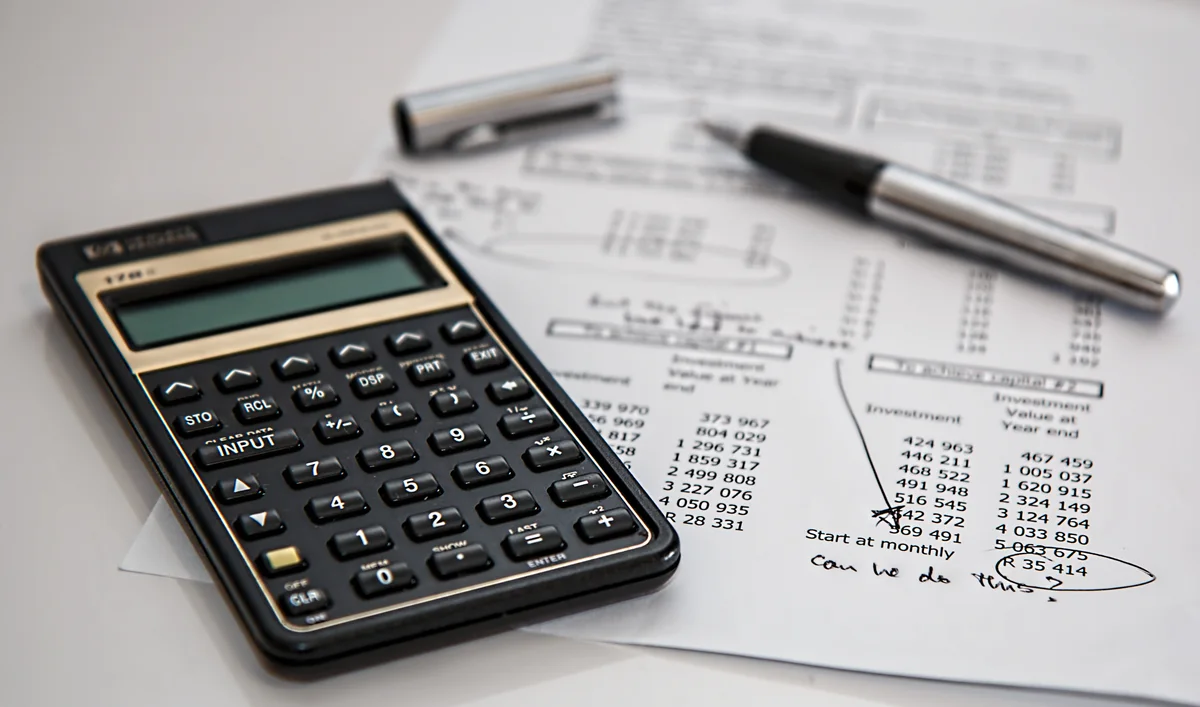
Inflation measures the pace of price increases. When that pace slows but stays positive, the price level keeps rising—and earlier increases remain in the shopping basket.
Before buying fractional property, examine what you legally own, the fee schedule and exit rules. A digital token does not guarantee a buyer when you need cash.
Photo: Maheshod98 · CC BY 4.0 · Source · Display crop; details in article.
Learn how shrinkflation changes quantity and skimpflation changes quality. Compare unit prices, ingredients and service terms to spot changes in value.
Photo: Steve Buissinne · CC0 · Source · Display crop; details in article.
See why paying the credit card minimum can leave debt shrinking slowly. Follow a clear interest example and build a repayment plan using your actual statement.
Photo: Images Money · CC BY 2.0 · Source · Display crop; details in article.
Evaluate rent rewards using fees, redemption value and borrowing costs. See why a points headline matters less than the total cost of paying your rent.
Spot subscription dark patterns, record renewal dates, and cancel with evidence. Learn why freezing a card or deleting an app may not end your contract.
Photo: Maheshod98 · CC BY 4.0 · Source · Display crop; details in article.
Digital shelf labels make price updates easier, but do they prove surge pricing? Learn the difference and use unit prices to compare the real cost of groceries.
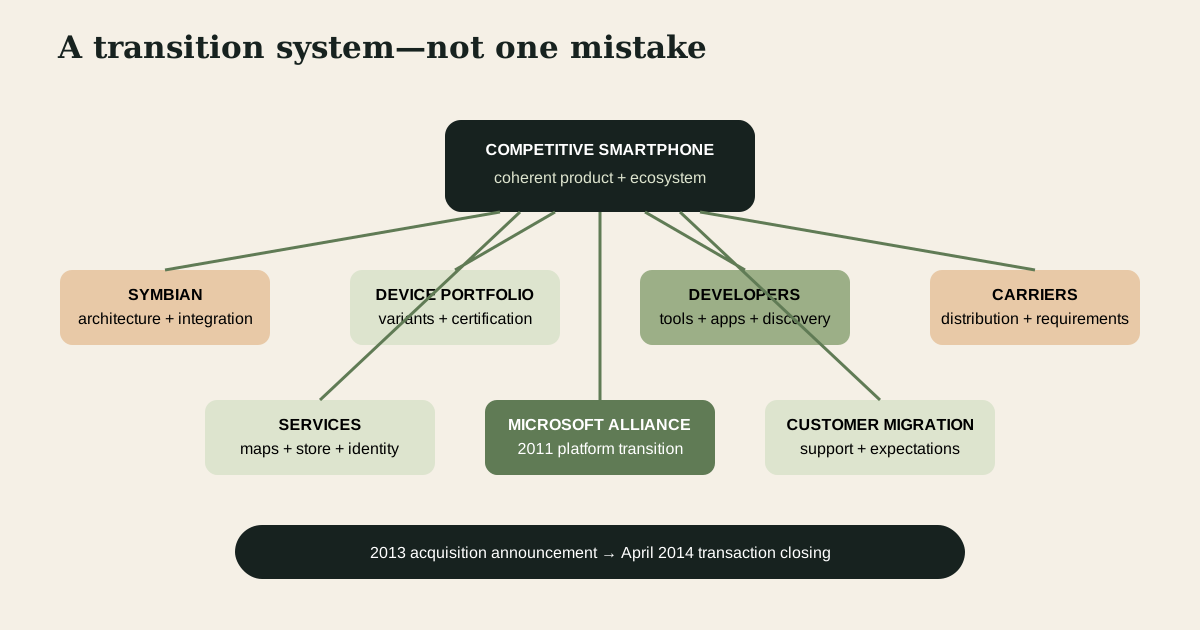
How software architecture, developer ecosystems, distribution, organizational dependencies, and the Microsoft transition interacted in Nokia’s mobile decline.
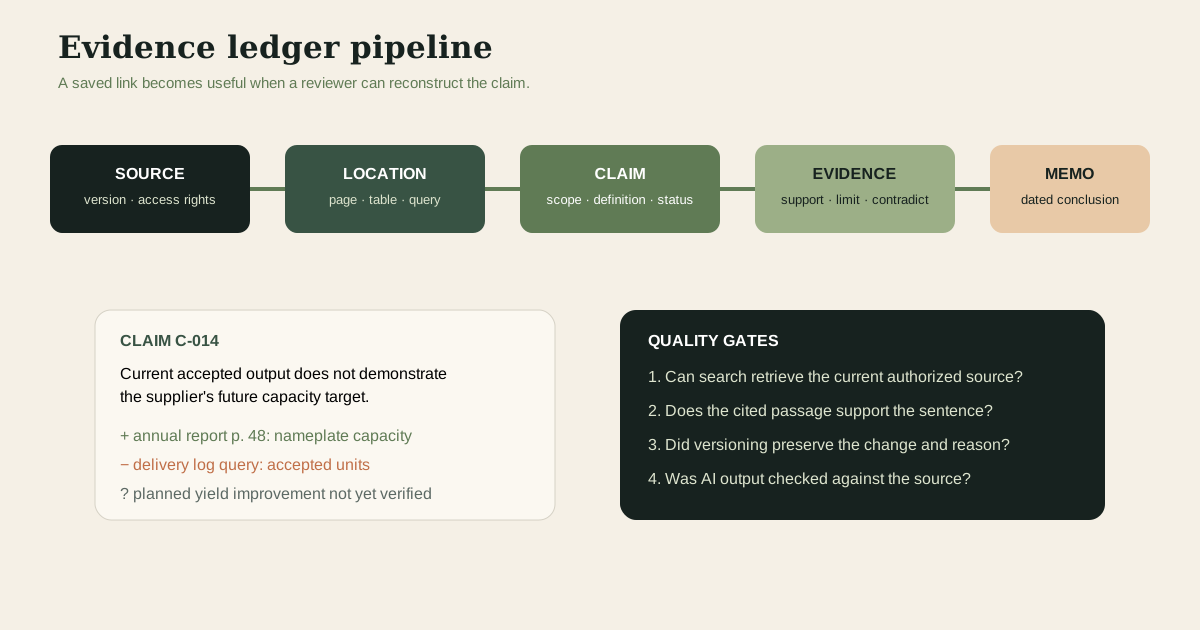
How analysts can turn captured material into traceable claims, test retrieval, preserve contradictory evidence, and cross-check AI-generated summaries.
Photo: Steve Buissinne · CC0 1.0 · Source · Display crop; details in article.
A beginner’s guide to scarcity, opportunity cost, prices, money, inflation and growth, with everyday examples and a reading path through Farvenzo’s explainers.